"They are finished", "nobody calls them anymore", or "they are a failure". The arts industry frequently evaluates success through the temporary applause of one season or the rule of the algorithm. We analyse why talent is only the starting point, and how to structure a multi-project model with a solid strategic base to build a durable artistic career
"They are finished". "Nobody calls them anymore". "What a complete failure". These are comments heard with excessive frequency in the corridors of arts markets, fairs, and festivals when an artist or group does not produce continuous massive triumphs. The industry model promotes a toxic idea: making professionals believe that without massive recognition before age thirty, their career is a failure.
Throughout my career, I have seen many exceptionally talented creators burn themselves out chasing this mirage. The industry is full of perverse traps that turn the creative process into an obstacle course:
The filter trap: it functions like a manipulated lottery that directs all attention to three projects and makes the rest invisible. If the continuity of your organization depends on discovery by a prominent programmer or director, you do not possess a strategy: you possess a lottery ticket.
The trap of speed and packaging: the system demands immediate financial return, prioritizing promotional packaging over technical and organizational development. It exploits the project today as a novelty and replaces it tomorrow.
The creative toll: the pressure to conform to what trends or the algorithm demand, at the cost of sacrificing artistic uniqueness.
Against this negative momentum, professional experience demonstrates an alternative reality. The professionals who sustain their work with dignity across decades are not those passively waiting for telephone calls. They are the practitioners who understood that professional autonomy is a strategic decision.
Real success in 2026 does not consist in obtaining temporary popularity for one summer and disappearing the next; it consists in constructing a sustainable career for the next thirty years. To achieve this objective, a project cannot depend on a single activity. It requires the application of three fundamental pillars:
The Multi-project (Diversification): never depend on a single resource. Articulate talents and capabilities into three or four interconnected lines of activity and income (artistic creation, pedagogy, direction, community initiatives, or strategic consulting).
The Narrative (Coherence): a clear identity that integrates all professional activities under one recognizable profile, giving sense to the entire proposal.
The Strategic Plan (Direction): establish concrete objectives and move from abstract intentions to rigorous operational execution.
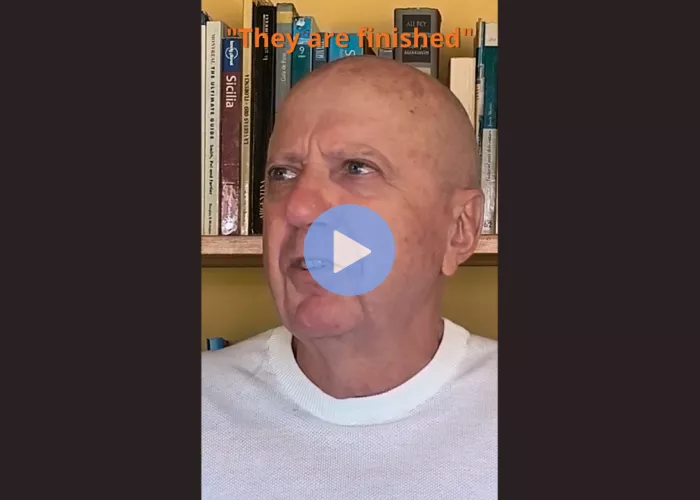
In this short video, I summarize the foundation of this debate (subtitles in English):
Talent is only the starting point; what provides sustainability in arts is the architecture of your project.
This reflection forms the core of Episode 03/04 of Mentor Cultural, entitled "What does it mean to have success in the arts industry?", initiating a thematic trilogy dedicated to deconstructing industrial myths and presenting practical diversification models.
You can listen to the complete audio episode here (in Spanish): Listen to Episode 03/04 on Spotify